

Every year, millions of people in the USA and Europe try the latest fad diet, hoping for a quick fix to weight loss. Whether it’s keto, paleo, juice cleanses, or detox diets, these trendy plans often promise rapid results. But research consistently shows that most of these fad diets fail and many people end up regaining even more weight than before.
In this blog, we’ll explore 9 science-backed reasons why fad diets fail, what really happens inside your body, and how to approach weight loss in a healthier, sustainable way. Fad diets might sound tempting with their big claims, but they usually lead to short-term weight loss, unsustainable eating habits, rapid weight loss problems, and health risks. With high obesity rates and a culture obsessed with quick results in the USA and Europe, it’s no surprise these diets are so popular but the truth about their failure is important to understand.
What Are Fad Diets?

In simple terms, fad diets are unsustainable diets that promise dramatic weight loss in a short period. They often involve extreme restrictions, such as cutting out entire food groups, replacing meals with shakes, or sticking to one food like cabbage soup. While they may cause rapid weight loss initially, this usually comes from water and muscle, not fat.
Some common fad diets in the USA and Europe include:
- Keto Diet (very low carb, high fat)
- Paleo Diet (cutting grains, dairy, processed foods)
- Juice Cleanses & Detox Diets
- Cabbage Soup Diet
- Celebrity-endorsed diet trends
Unlike balanced eating plans such as the Mediterranean diet, fad diets are restrictive and come with detox diet dangers and rapid weight loss problems. They focus more on quick fixes than sustainable health.
Why Fad Diets Are So Popular But Still Fail

Despite the risks, fad diets remain extremely popular. Why? Because they promise quick weight loss, something many people crave in today’s fast-paced world. Social media plays a huge role, influencers and celebrities promote celebrity diet trends with before-and-after photos, making these plans look appealing. Add in clever marketing with pseudoscience, and it’s no wonder people get hooked.
But as we’ll see, there are clear, science-backed reasons fad diets fail. Let’s break them down.
9 Science-Backed Reasons Fad Diets Fail
1. Only Short-Term Weight Loss
Most fad diets cause short-term weight loss because you lose water and glycogen, not fat. The moment carbs or regular meals are reintroduced, the weight returns. This is why fad diets fail long-term: they don’t address sustainable fat loss.

2. Nutritional Imbalance
Fad diets often cut out whole food groups, leading to nutritional imbalance. For example, avoiding carbs deprives the brain of its main fuel, while avoiding fats can harm hormone production. According to the National Institute of Diabetes and Digestive and Kidney Diseases, balanced eating with all nutrients is key to health. This raises the question: Are fad diets nutritionally balanced? The answer is almost always no.

3. Unsustainable Lifestyle Changes
Most fad diets require strict rules that are hard to follow for months or years. A unsustainable diet might help at first but fails when life gets busy, social events happen, or cravings set in. This is a big reason why fad diets fail long-term.
4. Metabolic Adaptation
Extreme calorie restriction leads to metabolic adaptation, your body slows its metabolism to conserve energy. This means you burn fewer calories even at rest. Researchers call this a “metabolic slowdown,” and it’s a key reason why fad diets fail due to metabolic adaptation.

5. Hormonal Changes & Increased Hunger
Fad diets can disrupt hunger hormones like leptin (satiety) and ghrelin (hunger). When leptin drops and ghrelin rises, cravings intensify, making it nearly impossible to stick to the diet. This hormonal imbalance often leads to yo-yo dieting.
6. Yo-Yo Dieting & Weight Cycling
Weight cycling, losing, regaining, and losing again is a harmful side effect of fad diets. Studies from the American Heart Association show that yo-yo dieting increases cardiovascular risks and makes long-term weight management harder. So yes, yo-yo dieting is caused by fad diets.
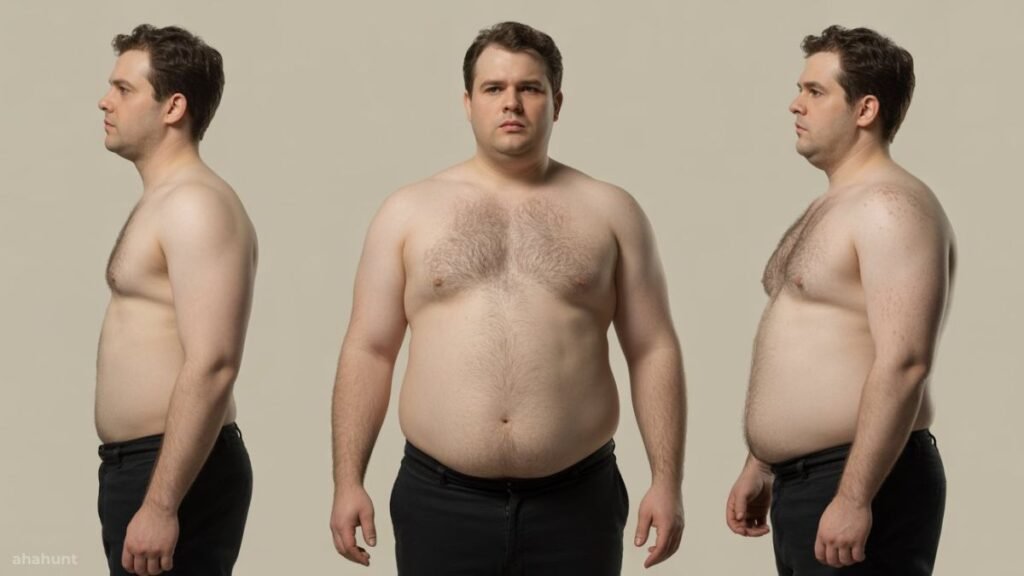
7. Psychological Stress & Food Obsession
Restrictive diets increase stress around food. Constantly thinking about what you “can’t” eat often leads to binge eating, guilt, and frustration. This psychological toll shows that fad diets harm both body and mind.

8. Relying on Anecdotes, Not Science
Many fad diets spread thanks to pseudoscience in dieting. Celebrity endorsements or “miracle” testimonials may sound convincing but rarely hold up under research. Relying on celebrity diet trends instead of proven science is another reason fad diets fail.
9. Ignoring Individual Needs
Every body is different. Factors like genetics, metabolism, health conditions, and activity levels mean there’s no one-size-fits-all diet. Ignoring individual needs is why fad diets fail for many people. A diet that works for one person may harm another.
Comparison Table: Fad Diets vs. Sustainable Eating

| Feature | Fad Diets | Sustainable Eating |
|---|---|---|
| Goal | Quick weight loss | Long-term health & steady weight management |
| Flexibility | Very restrictive | Flexible & adaptable |
| Nutritional Balance | Often poor | Balanced & varied |
| Sustainability | Short-term | Lifelong |
| Health Impact | Deficiencies, yo-yo dieting | Supports overall well-being |
Science-Backed Alternatives to Fad Diets
Instead of following unsustainable diets, research supports science-backed alternatives that promote sustainable results:
- Follow balanced eating plans like the Mediterranean or DASH diet.
- Practice portion control instead of strict elimination.
- Stay active with regular exercise.
- Focus on healthy habits like adequate sleep and stress management.

For practical tips, check out our guide on:
Calorie Deficit for Weight Loss: Science Backed Strategies That Actually Work
Benefits of Green Tea for Weight Loss: How It Helps Burn Fat Naturally
Top 10 Weight Loss Tips That Actually Work
5 Reasons You’re Not Losing Weight Despite Diet and Exercise.
Conclusion
At the end of the day, fad diets fail because they are short-term, unsustainable, and often unhealthy. They may promise rapid results, but science proves they come with risks like nutritional imbalance, metabolic slowdown, yo-yo dieting, and psychological stress.
Instead of chasing the latest celebrity diet trend, choose evidence-based, long-term strategies for healthy weight loss. Focus on balanced eating, regular exercise, and lifestyle changes that you can maintain for life. Remember, true success isn’t just about dropping pounds – it’s about living a healthier, happier life.
If you found this article helpful, share it with others and start making smarter, science-backed choices today. And don’t forget to check out our post on 10 Health Benefits of Eating Cucumber Daily | Healthy Living Tips for more nutrition insights.
One Response