

Losing weight can feel like a mystery, but there’s one principle that almost every fitness expert and scientist agrees on calorie deficit. In this complete guide, you’ll learn what a calorie deficit is, how it helps you lose fat, and how to do it safely using science-backed methods. Whether you’re just starting your weight loss journey or looking to break through a plateau, this blog offers clear, actionable advice tailored to help you succeed.
What is a Calorie Deficit?
A calorie deficit occurs when you burn more calories than you consume. Your body needs energy (calories) to perform essential functions such as breathing, digestion, and movement. When it doesn’t receive enough energy from food, it begins to use stored fat to meet those energy needs leading to weight loss.
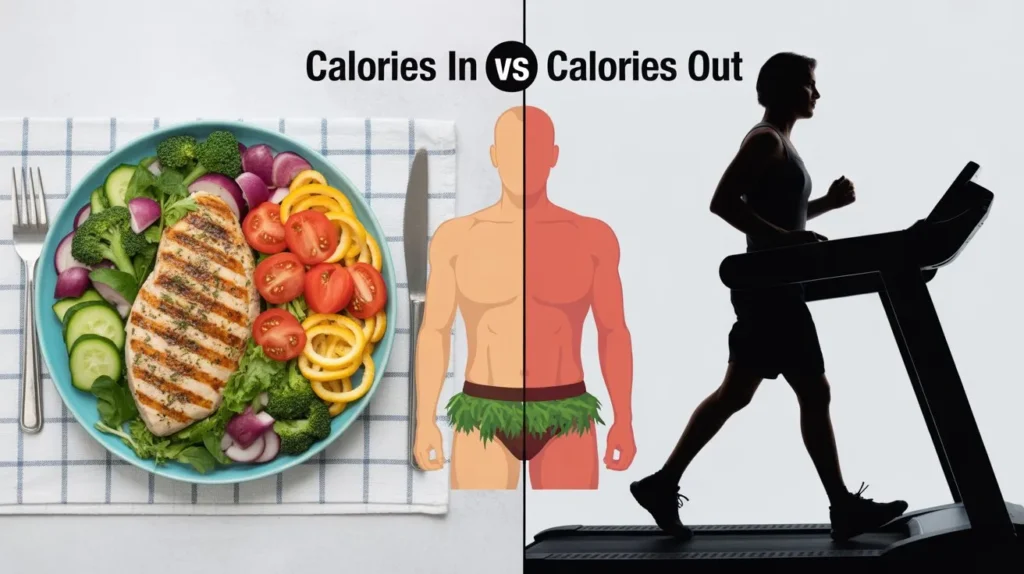
How It Works:
| Calories In (from food) | Calories Out (burned) | Result |
|---|---|---|
| 2500 | 2000 | Calorie surplus (weight gain) |
| 2000 | 2000 | Maintenance (no change) |
| 1500 | 2000 | Calorie deficit (weight loss) |
You need a 3500 calorie deficit to lose about 1 pound (0.45 kg) of fat. That’s a 500 calorie deficit per day to lose 1 pound per week a safe and steady pace.
How Calorie Deficit Leads to Weight Loss (The Science)
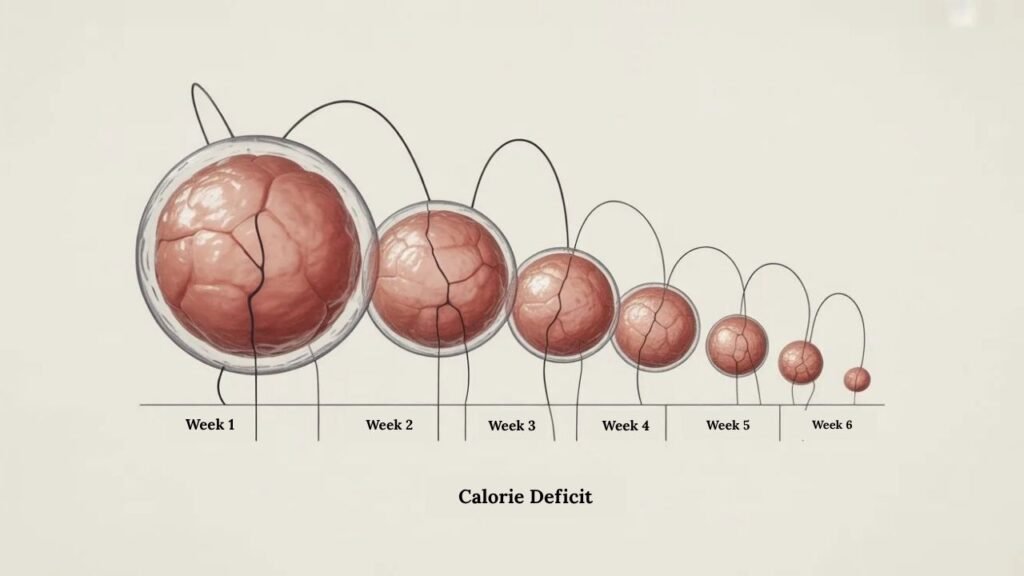
Scientific research confirms that weight loss fundamentally comes down to energy balance calories consumed versus calories burned. This principle is referred to as negative energy balance.
When you create a calorie deficit:
- Your body breaks down stored fat to cover the energy gap.
- Over time, fat cells shrink, and body weight decreases.
- Metabolism may slow slightly, but this can be minimized with proper nutrition and strength training.
Study Reference: A 2016 study in the American Journal of Clinical Nutrition found that reducing daily calorie intake by 20–25% consistently led to fat loss while preserving lean body mass and metabolic rate.
How to Create a Calorie Deficit Safely
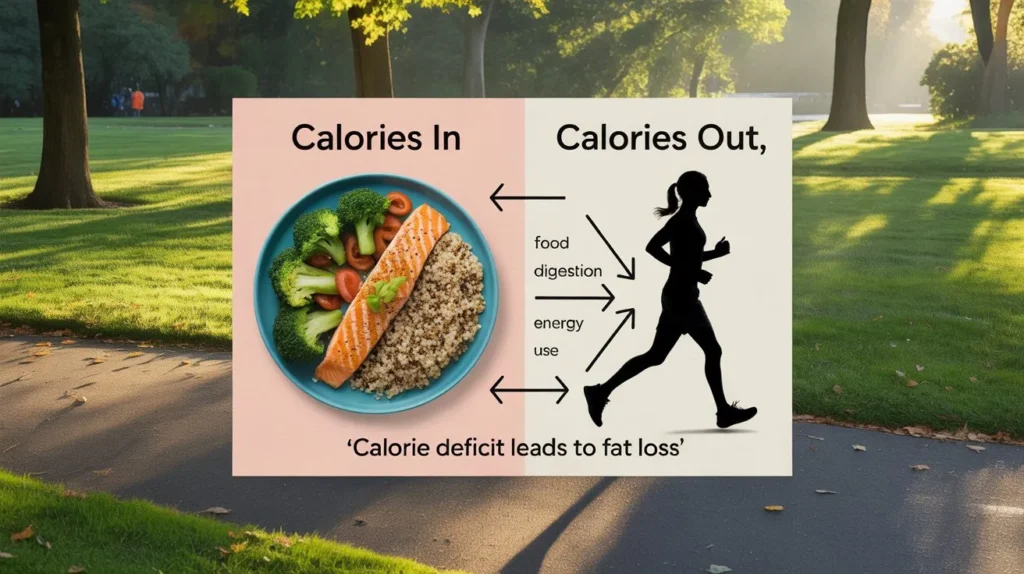
There are two main ways to create a calorie deficit:
- Eat fewer calories (through mindful eating and nutrition)
- Burn more calories (through physical activity and movement)
- Combine both for the most effective and sustainable results
1. Eating Fewer Calories
Making smart food choices is the easiest way to reduce calorie intake.
- Choose whole, nutrient-rich foods like vegetables, fruits, lean proteins, and whole grains
- Reduce portion sizes by using smaller plates or pre-measuring food
- Eliminate or reduce sugary drinks, alcohol, and processed snacks
2. Burning More Calories
Regular movement and exercise help increase your calorie burn. Here’s a quick breakdown of activities and their approximate calorie burns:
| Activity | Duration | Estimated Calories Burned |
|---|---|---|
| Brisk walk | 30 minutes | 150–200 |
| Jogging | 30 minutes | 250–300 |
| Strength training | 45 minutes | 200–400 |
| Cycling | 1 hour | 400–600 |
| Daily chores | Throughout day | 100–200 |
3. Combine Both Approaches
Example: Cut 300 calories from diet + Burn 200 through activity = 500 daily deficit
This method is more sustainable and avoids excessive hunger or fatigue.
Signs Your Calorie Deficit is Too Extreme

A moderate calorie deficit supports long-term success, but a severe deficit can backfire. Here’s what to watch for:
- Chronic fatigue or low energy
- Dizziness, headaches, or lightheadedness
- Hair loss or poor skin health
- Intense cravings and binge eating
- Slowed metabolism and hormonal imbalances
A daily deficit of 300 to 700 calories is considered safe and effective for most people. Always consult a healthcare provider if unsure.
Science Backed Tips to Maintain a Calorie Deficit

1. Eat More Protein
Protein helps preserve muscle mass and keeps you full longer.
- Foods: Eggs, chicken breast, fish, lentils, tofu, Greek yogurt
- Aim for 0.8–1 gram of protein per pound of body weight
2. Add Fiber Rich Foods
Fiber slows digestion and increases feelings of fullness.
- Foods: Oats, beans, broccoli, apples, carrots, chia seeds
- Target 25–35 grams of fiber per day
3. Drink Plenty of Water
Water boosts metabolism and prevents overeating.
- Drink a glass before meals to reduce hunger
- Replace sugary drinks with plain or flavored water
4. Try Intermittent Fasting
Intermittent fasting helps reduce overall calorie intake.
- Popular method: 16:8 Fast for 16 hours, eat during an 8 hour window
- Helps regulate hunger hormones and reduce mindless snacking
5. Use Portion Control Techniques
- Use smaller plates and bowls
- Measure food portions using cups or a food scale
- Avoid eating straight from the package
6. Track Your Intake and Progress
Use tools like MyFitnessPal or a food journal to monitor calories and identify patterns.
Common Myths About Calorie Deficit

Myth 1: You Must Avoid Carbs to Lose Weight
Truth: Carbs are not your enemy. Complex carbs like oats, quinoa, and sweet potatoes provide lasting energy and nutrients.
Myth 2: All Calories Are Created Equal
Truth: Quality matters. 200 calories of soda and 200 calories of vegetables affect your body differently.
Myth 3: Late-Night Eating Causes Weight Gain
Truth: It’s not about when you eat, but how much you eat throughout the day.
Myth 4: More Exercise = Faster Results
Truth: Too much exercise without proper fuel can lead to burnout and injury. Balance is key.
Real-Life Example: How a Calorie Deficit Works in Practice
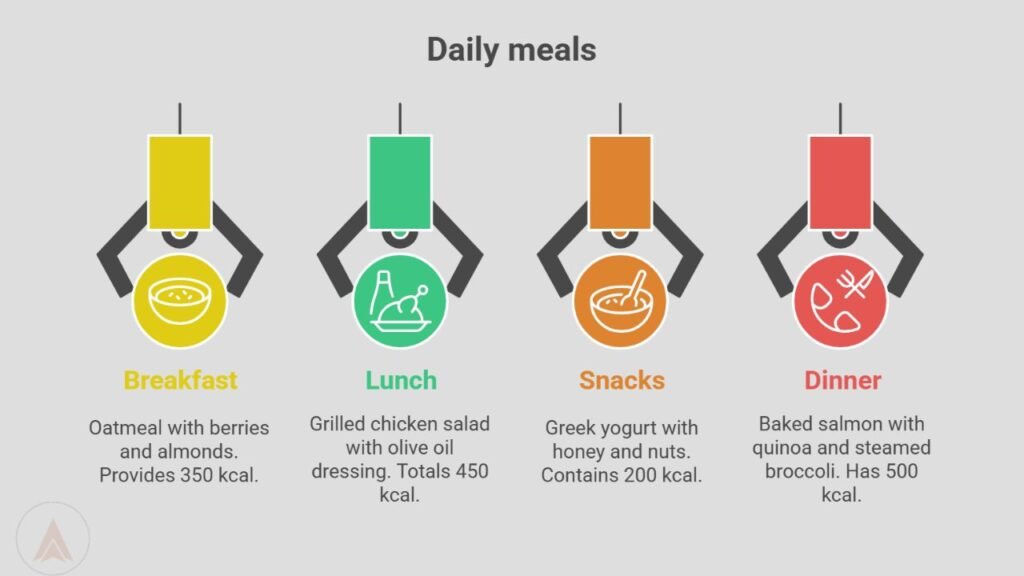
Let’s say Sarah is a 30-year-old office worker who needs 2200 calories/day to maintain her weight. Here’s how her week looks:
| Day | Calories Eaten | Calories Burned | Deficit |
|---|---|---|---|
| Monday | 1800 | 2200 | 400 |
| Tuesday | 1700 | 2200 | 500 |
| Wednesday | 1600 | 2200 | 600 |
| Thursday | 1800 | 2200 | 400 |
| Friday | 1700 | 2200 | 500 |
| Saturday | 1900 | 2200 | 300 |
| Sunday | 2000 | 2200 | 200 |
| Weekly Deficit | 2900 |
Sarah’s weekly deficit of 2900 calories puts her close to 1 pound of fat loss every 1.2 weeks, which is sustainable and realistic.
Conclusion
Weight loss doesn’t need to involve extreme diets or magic supplements. The science behind calorie deficit is simple, proven, and effective. By understanding how your body uses energy and making smart daily choices, you can take control of your health and reach your goals.
Key Takeaways:
- A calorie deficit is the scientific foundation of fat loss.
- You can create a deficit by eating less, moving more, or both.
- Aim for a moderate daily deficit (300–700 calories) for safe, long-term results.
- Prioritize nutrient-dense foods, regular activity, and consistent habits.
- Don’t fall for myths focus on balance, sustainability, and evidence-based strategies.

Ready to Start Your Journey?
Use a calorie calculator to estimate your maintenance needs. Track your meals for a few days. Choose one or two tips from this article to apply right away. And most importantly be patient. Fat loss takes time, but the results are worth it.
Pro Tip: Pair this guide with a food-tracking app and a simple exercise routine to stay consistent. Your future self will thank you.
If you found this guide helpful, feel free to share it or bookmark it for future reference. Here’s to a healthier, stronger you!
Frequently Asked Questions About Calorie Deficit and Weight Loss
1. What is a calorie deficit and how does it help with weight loss?
A calorie deficit means you’re eating fewer calories than your body burns. This forces your body to use stored fat for energy, which leads to weight loss over time.
2. How many calories should I eat to lose weight?
It depends on your age, weight, activity level, and goals. But a common method is to eat 500 fewer calories per day than your maintenance level to lose about 1 pound per week. Use this calorie calculator to find your personal needs.
3. Is calorie deficit the only way to lose weight?
Yes, scientific studies confirm that a calorie deficit is the foundation of all effective weight loss methods. Even popular diets like keto or intermittent fasting work because they reduce calorie intake overall.
4. What are the best foods to eat in a calorie deficit?
Choose high-protein, high-fiber, low-calorie foods like:
- Chicken breast
- Eggs
- Vegetables
- Oats
- Greek yogurt
- Lentils
5. How do I create a calorie deficit without feeling hungry?
To stay full in a calorie deficit:
- Eat more fiber (veggies, oats, fruits)
- Include protein in every meal
- Drink lots of water
- Avoid sugar and processed snacks
- Try intermittent fasting
6. Can I lose weight without exercise by only using calorie deficit?
Yes, you can lose weight by just eating fewer calories. But exercise helps burn extra calories, builds muscle, and improves health — so it’s highly recommended for long-term success.
7. How long does it take to see results from a calorie deficit?
Most people see visible changes in 2–4 weeks if they stay consistent. A healthy fat loss is about 0.5 to 1 kg (1–2 lbs) per week.
8. What happens if my calorie deficit is too big?
A large deficit can cause:
- Fatigue
- Hunger
- Muscle loss
- Slowed metabolism
- Hair or skin issues
9. Do I need to cut out carbs to stay in a calorie deficit?
No! You can still eat carbs and lose weight. What matters most is your total calorie intake, not cutting out a specific food group.
10. How can I track my calorie intake effectively?
Use tools like:
These apps help you log your meals and keep track of your calorie deficit goals.