

Losing weight is one of the most common health goals for people in the USA and Europe. But with so many diets and trends out there, it can be hard to know what really works. One strategy that has stood the test of time is the low-calorie diet for weight loss.
By lowering the number of calories you eat and choosing nutrient-rich foods, you can shed pounds in a healthy and sustainable way. In this guide, we’ll explore everything you need to know about low-calorie diets—what they are, how they work, which foods to eat, meal plans, and tips to make the journey easier.
What Is a Low-Calorie Diet?
A low-calorie diet is a way of eating where you reduce your daily calorie intake while still getting enough nutrients for your body. Most low-calorie diets range between 1,200 to 1,800 calories per day depending on age, gender, activity level, and health goals.
The goal is simple:
- Eat fewer calories than your body burns.
- Provide your body with nutrient-dense foods instead of empty calories.
- Promote steady, sustainable weight loss.
👉 Related: Calorie Deficit for Weight Loss: Science Backed Strategies That Actually Work
How Does a Low-Calorie Diet Help with Weight Loss?
The science behind weight loss is based on a calorie deficit. When you eat fewer calories than your body uses for energy, it turns to stored fat for fuel. Over time, this leads to fat loss.
Studies have shown that low-calorie diets can:
- Support gradual, healthy weight loss (1–2 pounds per week).
- Improve blood sugar and cholesterol levels.
- Boost metabolism when paired with exercise and protein-rich foods.
According to the National Institutes of Health (NIH), low-calorie diets can be effective for managing obesity and reducing risks of chronic diseases like diabetes and heart problems.
Benefits of a Low-Calorie Diet for Weight Loss

A low-calorie diet is not just about losing pounds, it can transform your overall health.
1. Steady Weight Loss
Unlike fad diets, this approach promotes long-term results.
2. Better Portion Control
You’ll learn to eat the right amount instead of overeating.
3. Reduced Risk of Diseases
Helps manage conditions like type 2 diabetes, high blood pressure, and heart disease.
4. Increased Energy
By avoiding high-calorie junk foods, your body gets clean energy.
👉 Related: 9 Science-Backed Reasons Why Fad Diets Fail and Healthy Alternatives
Low-Calorie Foods for Weight Loss
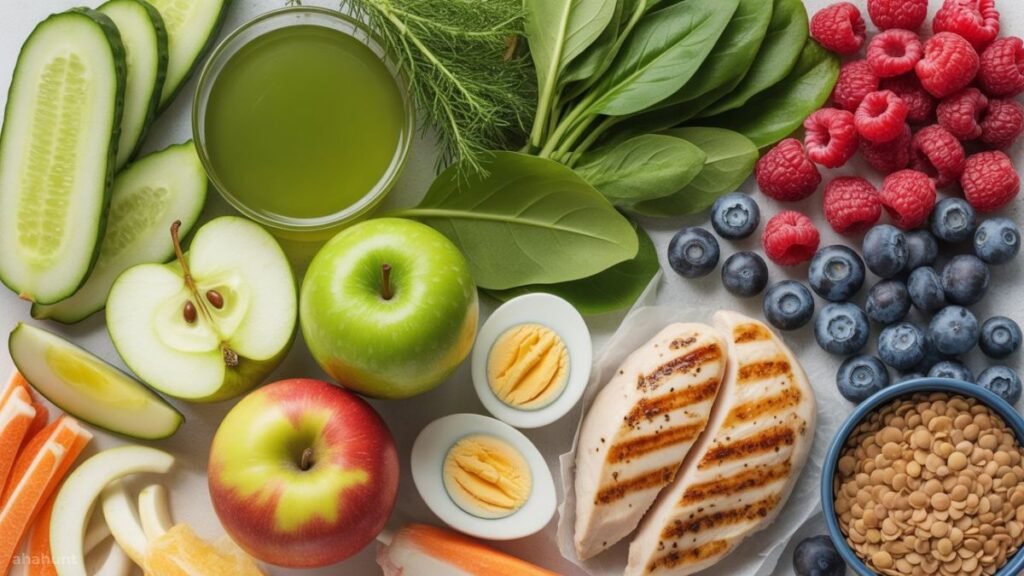
Not all calories are created equal. The best low-calorie diet includes foods that are high in nutrients but low in calories.
Best Choices:
- Vegetables: Spinach, broccoli, cucumbers, zucchini, carrots.
- Fruits: Apples, berries, oranges, melons.
- Protein sources: Chicken breast, fish, lentils, beans, tofu.
- Whole grains: Quinoa, oats, brown rice.
- Healthy snacks: Air-popped popcorn, Greek yogurt, boiled eggs.
👉 Related: 10 Best Foods for Weight Loss and Belly Fat
👉 Related: 10 Health Benefits of Eating Cucumber Daily | Healthy Living Tips
Sample Chart: Low-Calorie Foods Comparison
| Food Item | Calories (per 100g) | Benefits |
|---|---|---|
| Cucumber | 15 | Hydration, rich in antioxidants |
| Apple | 52 | Fiber, natural sweetness |
| Chicken Breast | 165 | High protein, muscle support |
| Spinach | 23 | Iron, vitamins A & C |
| Oats | 68 | Energy, fiber-rich |
How to Plan a Low-Calorie Diet
Meal planning makes it easier to stick to your calorie goals. Here’s a sample 1,500-calorie plan:
Breakfast (350 calories)
- 1 bowl of oatmeal with berries
- 1 boiled egg
Lunch (400 calories)
- Grilled chicken breast
- Steamed vegetables
- Brown rice (½ cup)
Snack (150 calories)
- Greek yogurt with chia seeds
Dinner (500 calories)
- Baked salmon
- Quinoa salad with cucumber and spinach
👉 Pro Tip: Drink plenty of water or green tea to stay full.
👉 Related: Benefits of Green Tea for Weight Loss: How It Helps Burn Fat Naturally
Smart Substitutions: Swapping High-Calorie Foods
Small changes can make a big difference:
- Replace soda with sparkling water.
- Swap fried chicken for grilled chicken.
- Choose Greek yogurt instead of ice cream.
- Use air-popped popcorn instead of chips.
Portion Control: Key to a Low-Calorie Diet
Even low-calorie foods can lead to weight gain if you eat too much.
Easy Portion Control Tricks:
- Use smaller plates.
- Fill half your plate with vegetables.
- Measure servings instead of guessing.
- Eat slowly and stop when you’re satisfied.
👉 Related: 5 Reasons You’re Not Losing Weight Despite Diet and Exercise
Common Mistakes to Avoid on a Low-Calorie Diet
- Skipping meals – leads to overeating later.
- Not eating enough protein – slows metabolism.
- Cutting calories too drastically – makes the diet unsustainable.
- Ignoring exercise – limits fat-burning potential.
- Relying on processed low-calorie snacks – often full of sugar.
👉 Related: Walking for Weight Loss: Simple Steps to Burn Fat and Lose Weight
Tips for Staying Motivated
- Set realistic goals.
- Track your progress with apps like MyFitnessPal.
- Find a workout buddy.
- Celebrate non-scale victories (like better sleep or more energy).
Final Thoughts
A low-calorie diet for weight loss is one of the most effective and sustainable ways to reach your health goals. By eating nutrient-rich foods, practicing portion control, and avoiding common mistakes, you can achieve steady weight loss without feeling deprived.
The key is balance, not extreme restriction. Pair your low-calorie diet with regular exercise, hydration, and healthy lifestyle habits for the best results.
With the right plan and mindset, you’ll not only lose weight but also improve your overall health and energy levels.