
Your gut plays a much bigger role in your health than most people realize. Beyond breaking down food, your gut microbiome—a community of trillions of bacteria, fungi, and other microbes—affects your digestion, immunity, weight, and even your mood. When your gut is balanced, you feel energetic, digest food better, and strengthen your body’s natural defenses. But when your gut health is poor, it can lead to bloating, fatigue, low immunity, weight gain, and long-term health issues.

One of the most effective ways to improve gut health is by eating gut boosting foods. These foods support your microbiome by feeding beneficial bacteria, adding probiotics, and reducing inflammation. In this guide, we’ll explore the 10 best gut boosting foods, sample diet plans, the gut-brain connection, mistakes to avoid, and tips for lasting digestive health.
Why Gut Health Matters
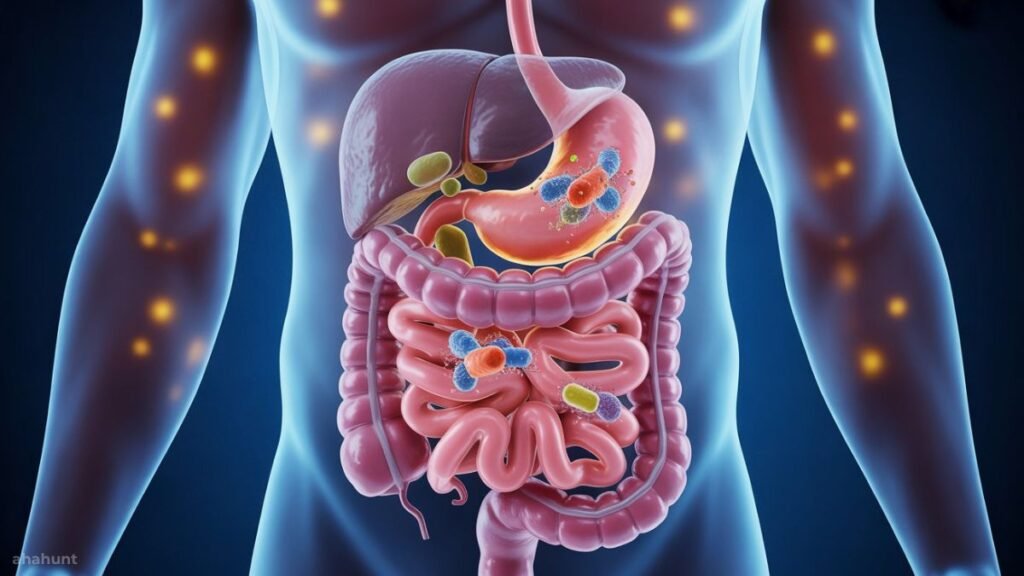
Your gut is often called the “second brain” because of its direct impact on overall well-being. The trillions of microbes in your digestive system influence many areas of health:
- Digestion: A balanced gut microbiome breaks down food efficiently and absorbs nutrients.
- Immunity: Around 70% of the immune system resides in the gut.
- Mental Health: The gut-brain axis affects mood, stress, and sleep quality.
- Weight Management: Gut bacteria regulate appetite and fat storage.
When the gut microbiome is healthy, it promotes balance and resilience in the body. But when harmful bacteria outnumber the good, problems like indigestion, constipation, obesity, and inflammation can occur.
What Are Gut Boosting Foods?
Gut boosting foods are foods that strengthen your digestive system by nourishing healthy bacteria and restoring balance in the microbiome. These include:
- Prebiotics: Plant-based fibers that feed beneficial bacteria (found in garlic, onions, oats, bananas).
- Polyphenols: Plant compounds in foods like green tea, berries, and dark chocolate that support gut diversity and reduce inflammation.
- Resistant starch: Special starch in foods like oats, barley, and legumes that feeds good bacteria.
Together, these foods act as natural medicine for your gut.
Top 10 Gut Boosting Foods
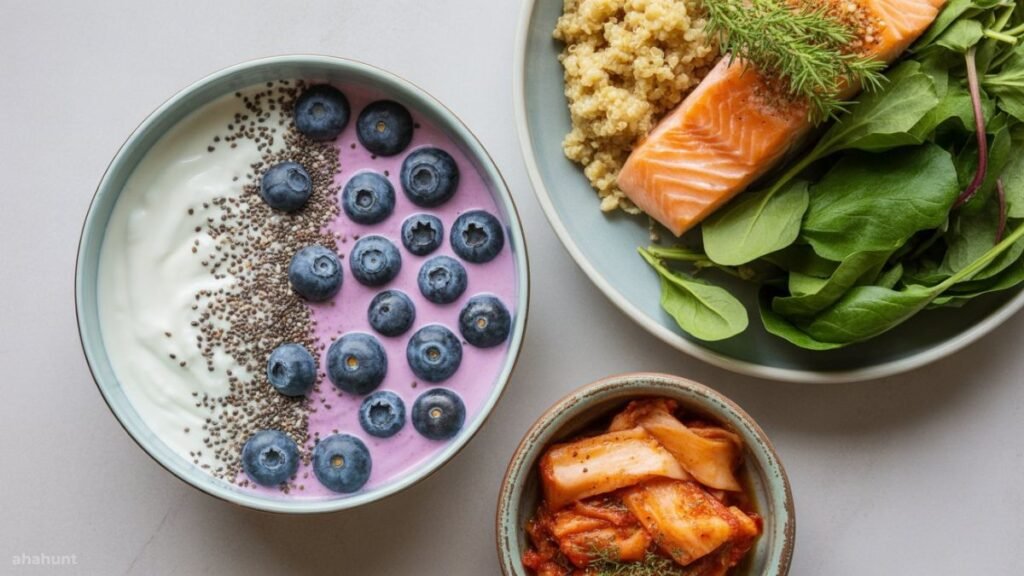
Here are the 10 best foods for gut health, backed by science and nutrition experts.
1. Yogurt – The Classic Probiotic Food
Yogurt contains live bacteria such as Lactobacillus and Bifidobacterium that add good microbes directly to your gut.
How to enjoy it:
- Choose plain, unsweetened Greek yogurt for maximum probiotics.
- Add berries and nuts for a gut-friendly breakfast.
📊 Yogurt Comparison
| Yogurt Type | Probiotic Strength | Best For |
|---|---|---|
| Greek Yogurt | High | Protein & gut health |
| Regular Yogurt | Moderate | Everyday snacking |
| Flavored Yogurt | Low | Taste, less healthy |
2. Kefir – Fermented Milk Superfood
Kefir is a fermented milk drink that contains more strains of probiotics than yogurt. Research shows kefir supports digestion, immunity, and may even improve bone health (Cleveland Clinic).
3. Sauerkraut – Tangy Fermented Cabbage
Made from fermented cabbage, sauerkraut is rich in probiotics and vitamin C. It improves gut diversity and boosts immunity.
👉 Tip: Choose raw, unpasteurized sauerkraut to keep live cultures active.
4. Kimchi – Spicy Korean Gut Booster
Kimchi, a traditional Korean side dish made from fermented vegetables, is packed with probiotics, antioxidants, and fiber. It reduces inflammation and supports digestion.
5. Garlic – A Natural Prebiotic
Garlic is more than just a flavor booster—it’s a gut stimulating food. It feeds healthy bacteria and helps fight harmful microbes in the gut.
6. Onions – Prebiotic Fiber for Gut Bacteria
Onions contain inulin, a type of prebiotic fiber that fuels beneficial bacteria. Regularly eating onions helps promote a healthy microbiome.
7. Bananas – Gentle Support for Digestion
Bananas are rich in fiber and potassium. They restore gut balance after digestive upset and are easy to digest, making them ideal for sensitive stomachs.
8. Oats – Prebiotic Fiber and Resistant Starch
Oats are a powerhouse of beta-glucan fiber, which feeds good bacteria and improves cholesterol levels. Overnight oats with fruit make a perfect gut boosting meal.
9. Almonds – Crunchy Microbiome Support
Almonds provide prebiotics, protein, and healthy fats. They also help gut bacteria produce short-chain fatty acids (SCFAs), which protect colon health.
10. Green Tea – Polyphenol Powerhouse
Green tea is rich in polyphenols, which feed good bacteria and reduce harmful ones. It’s also linked to improved metabolism and fat loss.
Gut Boosting Diet Plan (Sample Day)
Here’s a 1-day gut boosting diet plan:
- Breakfast: Overnight oats with bananas, chia seeds, and almonds.
- Lunch: Grilled salmon with quinoa, garlic sautéed spinach, and sauerkraut.
- Snack: Greek yogurt with flaxseeds and blueberries.
- Dinner: Lentil soup with onions, carrots, and a side of kimchi.
- Drinks: Green tea or kombucha instead of soda.
This plan combines probiotics, prebiotics, and fiber to support your microbiome.
The Gut-Brain Connection
Your gut is often called the “second brain.” It produces neurotransmitters like serotonin and dopamine, which affect mood and stress levels. Poor gut health is linked to anxiety, depression, and sleep problems, while eating gut bacteria boosting foods supports mental well-being.
Chart: Probiotic vs Prebiotic Foods
| Category | Examples | Main Benefit |
|---|---|---|
| Probiotics | Yogurt, kefir, sauerkraut, kimchi | Add live bacteria to the gut |
| Prebiotics | Garlic, onions, bananas, oats | Feed good bacteria and help them grow |
Common Mistakes to Avoid
Even if you eat gut boosting foods, these mistakes can harm your gut:
- Eating too much processed food and sugar.
- Overusing antibiotics without medical guidance.
- Skipping fiber-rich meals.
- Ignoring hydration.
- Living under chronic stress.
Final Thoughts
Your gut is the foundation of your health. By including gut boosting foods such as yogurt, kefir, garlic, oats, and green tea in your daily meals, you can improve digestion, strengthen immunity, manage weight, and even enhance mood.
Start small—add a probiotic food at breakfast or swap soda for kombucha. Over time, these small changes create a healthier, stronger microbiome that benefits your entire body.
Remember, gut health isn’t built overnight. It’s about consistent, sustainable choices that keep your digestive system balanced for years to come.
- 10 Best Foods for Weight Loss and Belly Fat
- 10 Health Benefits of Eating Cucumber Daily | Healthy Living Tips
- Benefits of Green Tea for Weight Loss: How It Helps Burn Fat Naturally
- 9 Science-Backed Reasons Why Fad Diets Fail and Healthy Alternatives